Santipur College
Affiliated to University of Kalyani
NAAC Accredited Co-educational Degree College
Established 1948
N.S. Road, Santipur, Nadia, W.B, 741404
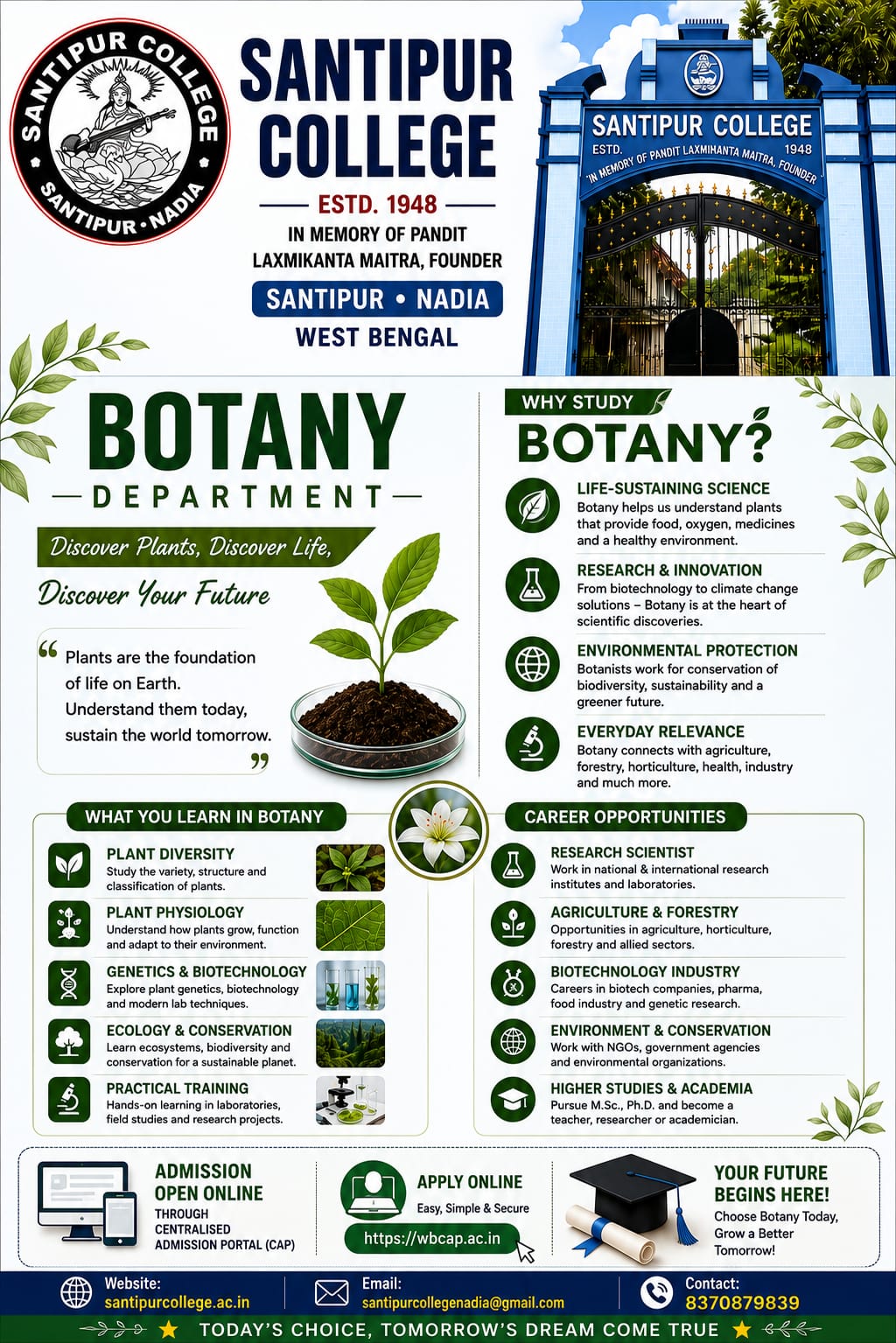
Department of Botany
From microscopic cells to global ecosystems-understanding plants in every dimensions.
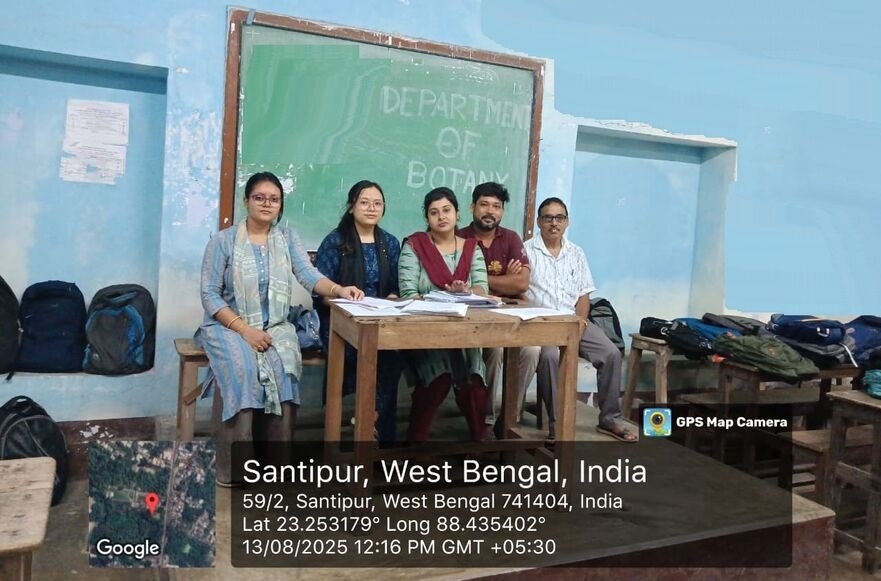
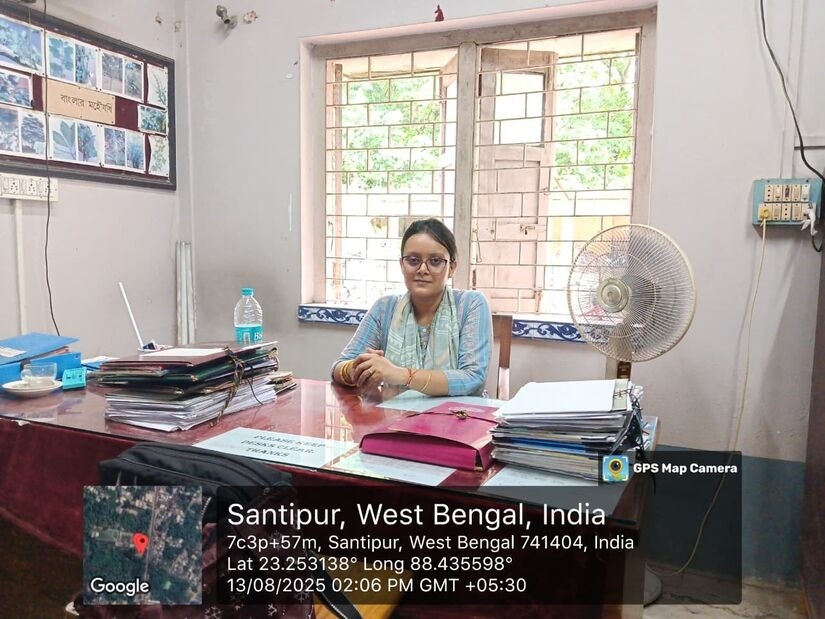
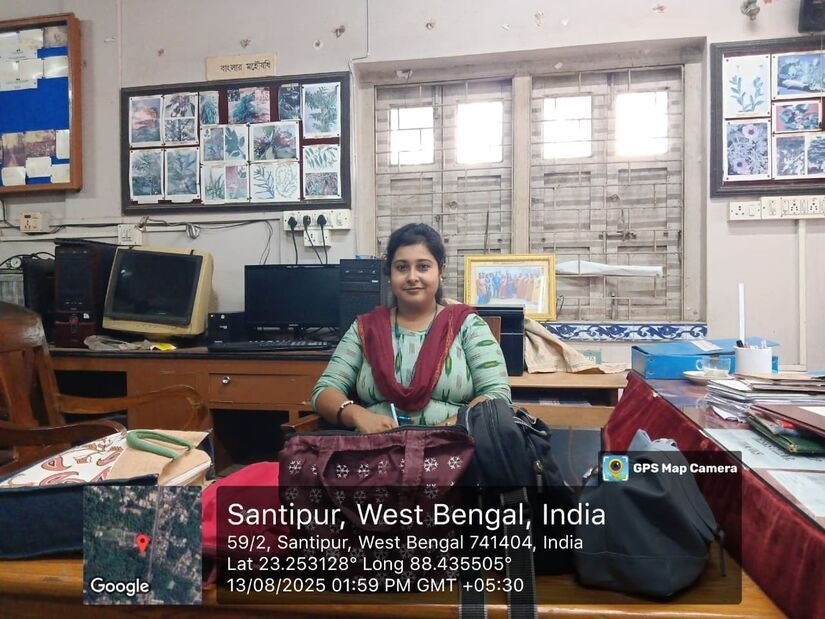
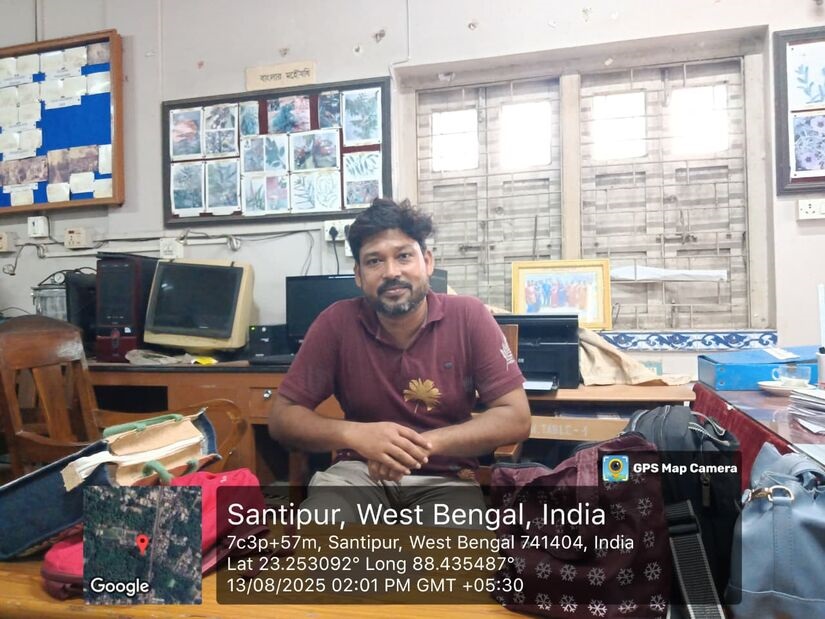
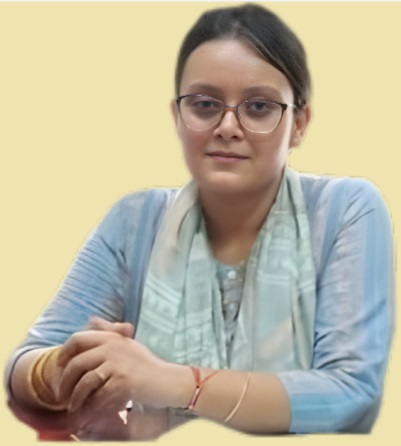
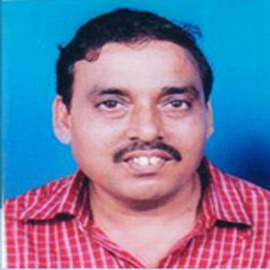
Faculty Members


About Department
Established in 1987, the Department of Botany at Santipur College is one of the key academic departments of the institution. In 2009, it launched a self-financed Honours course in Botany, which has received a positive response from students. The department is well-equipped with modern instruments and regularly organizes educational tours and excursions.
Objective
The Botany Department is dedicated to the scientific study of plant life in all its forms. Its core objective is to foster a deep understanding of plant biology, taxonomy, physiology, ecology, and applied botanical sciences to support environmental sustainability, biodiversity conservation, agriculture, and biotechnology.
Mission
To advance knowledge in plant sciences through high-quality education, innovative research, and community outreach, empowering students and scholars to address current and future challenges related to food security, climate change, and ecosystem management.
Vision
To be a center of excellence in botanical education and research, recognized nationally and globally for its contributions to plant science, conservation, and sustainable development.
Purpose
- To cultivate scientific curiosity and critical thinking among students.
- To preserve and document regional and global plant biodiversity.
- To support sustainable agriculture and environmental practices through applied research.
- To bridge traditional botanical knowledge with modern scientific methods.
Functioning
Academic Programs: Offering undergraduate, programs in Botany, including specializations in taxonomy, plant physiology, ecology, molecular biology, and ethnobotany.
Research Activities: Conducting field (Educational excursion) and lab-based research, including biodiversity surveys, plant systematic and phytochemistry
Workshops & Seminars: Regular organization botanical excursions, training programs, and national/international webinar.
Future Plans
- Expanding the department’s “green campus initiative”, including medicinal plant garden.
- Renovation of biochemistry lab.
Established
1987
Courses / Programs offered
Intake Capacity / Seat Matrix / Eligibility
Fee Structure
Activity / Seminar / Webinar
| Date | Events | Speakers/ Participants | Topic/ Other Information |
|---|---|---|---|
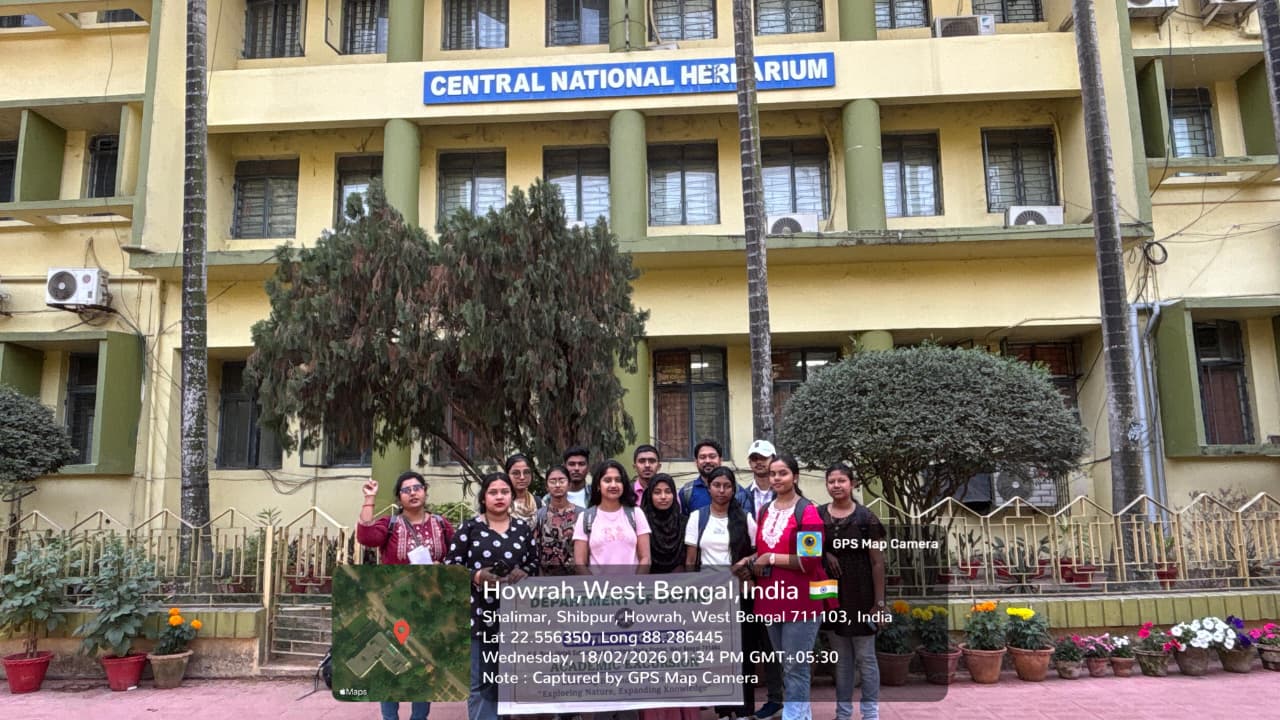
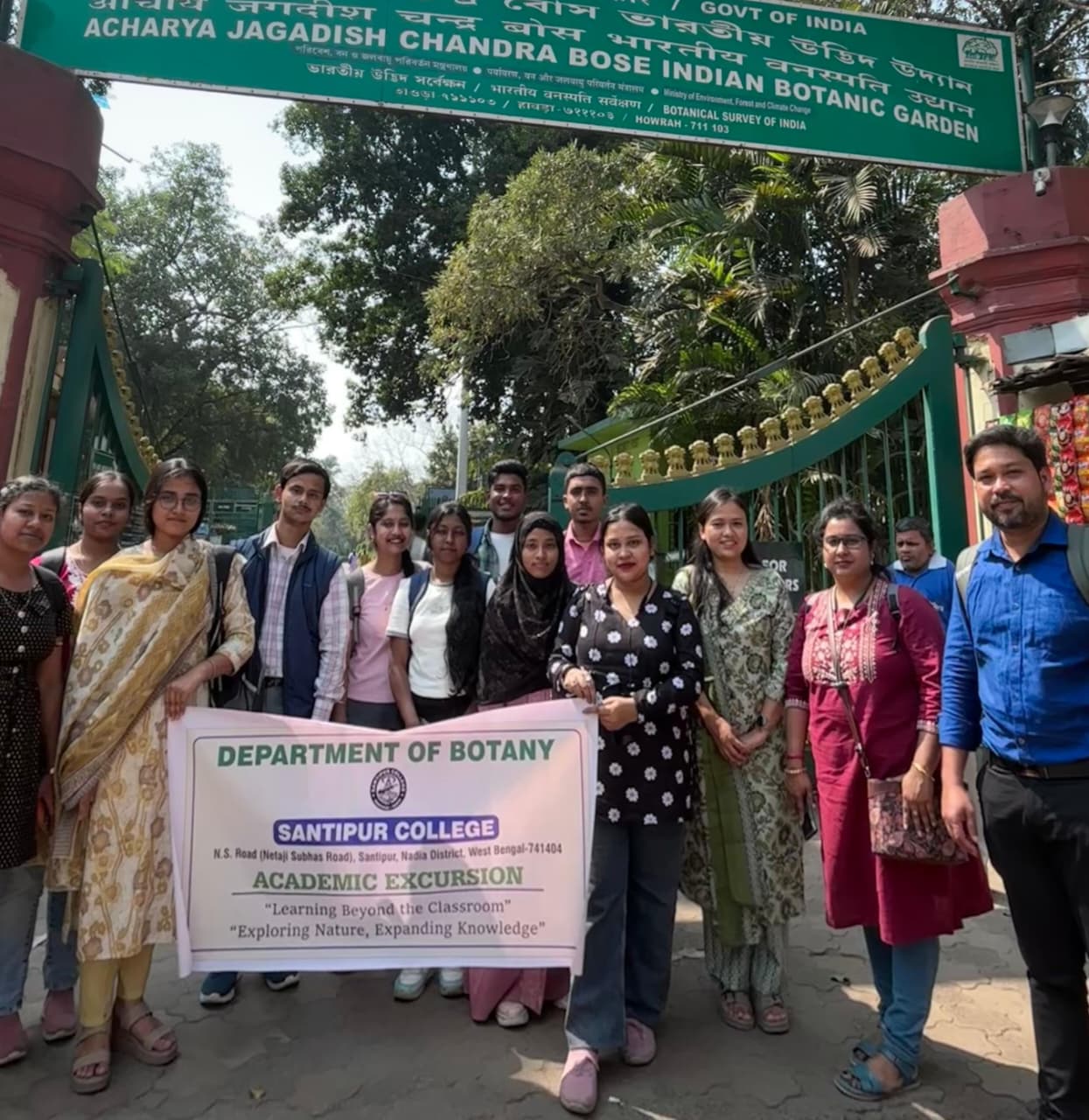
| 18.02.2026 | Academic excursion | Students and Teachers | Visit to Acharya Jagadish Chandra Bose Indian Botanical Garden View |
| 10.02.2026 | Parent teacher meeting | Parents and teachers of department | Meeting was well attended View |
| 07.01.2026 | ভবিষ্যতের আলো Visit to the Lab |
Science students of the schools of Santipur locality | Laboratory Visit View |
| 21.06. 2025 (First session) | One Day International Webinar | Dr. Chittran Roy Post doctoral Researcher Pennsylvania state university, USA |
Topic: Recent trends in Biological sciences. Jointly Organized By Department Of Botany and IQAC, Santipur College A Report : View |
| 21.06. 2025 (Second session) | One Day International Webinar | Dr. Dipayan Ghosh Postdoctoral research Associate, Centre for Rural Development and Technology, IIT Delhi |
Topic: Recent trends in Biological sciences. Jointly Organized By Department Of Botany and IQAC, Santipur College A Report : View |
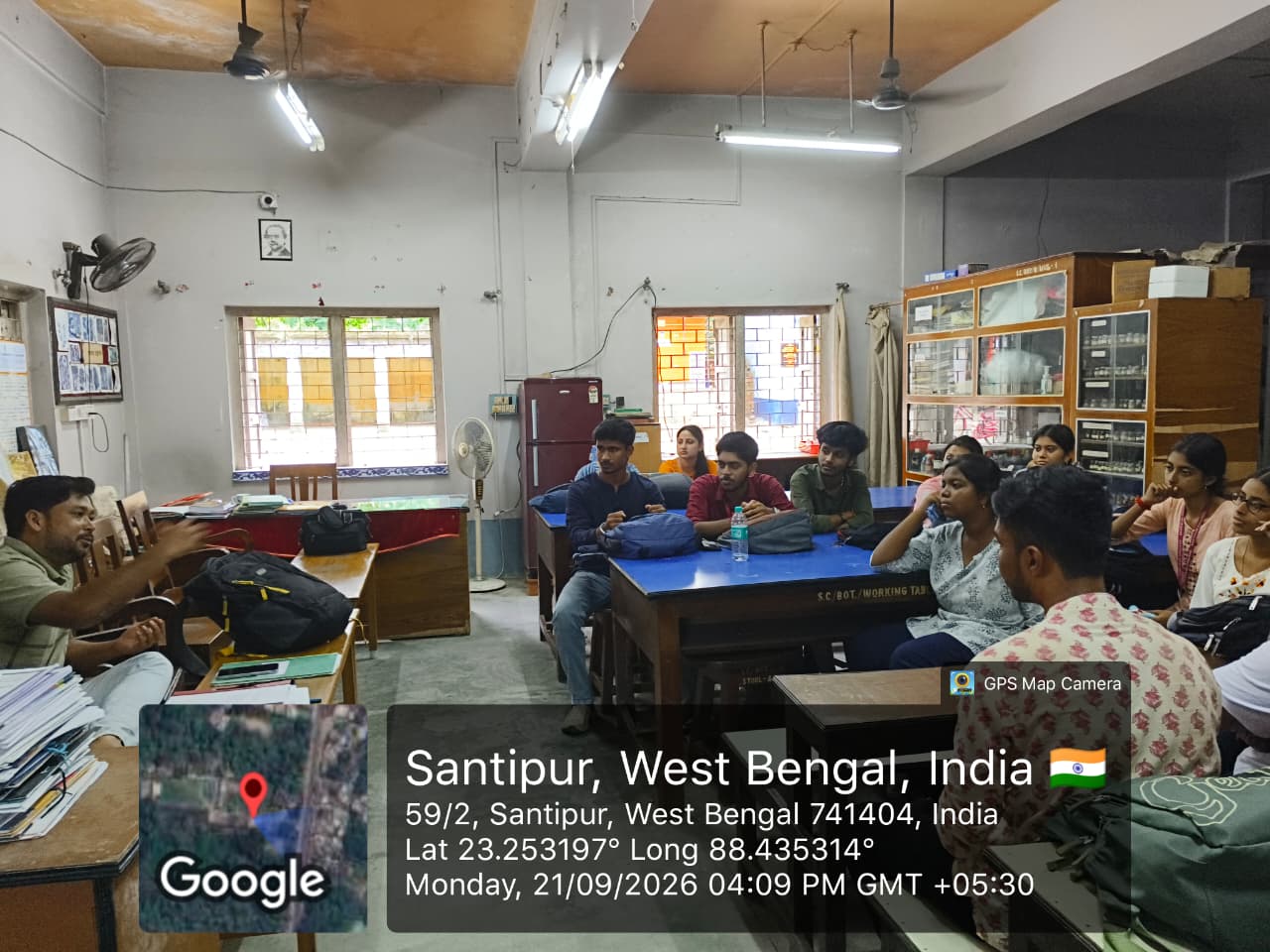
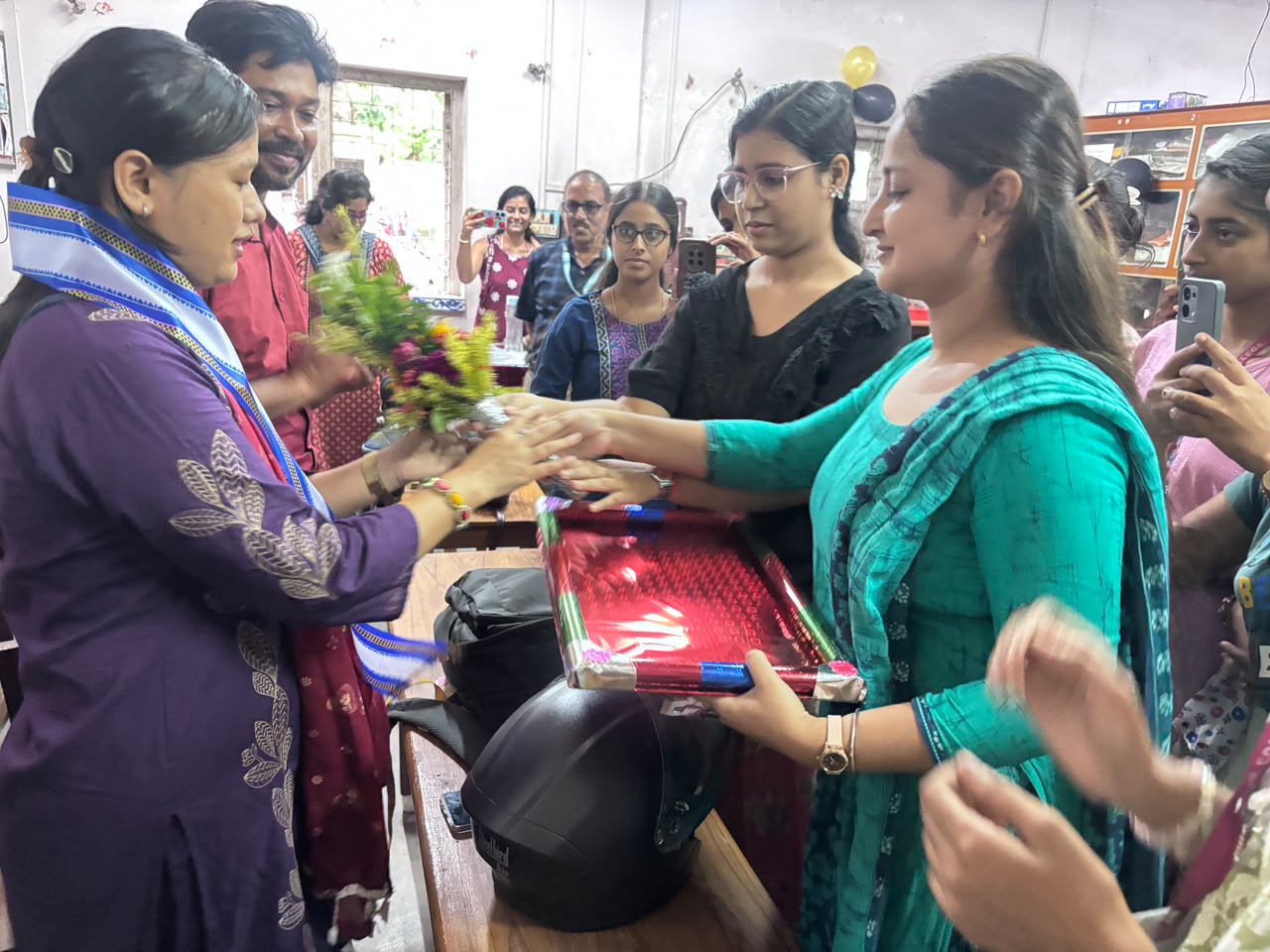
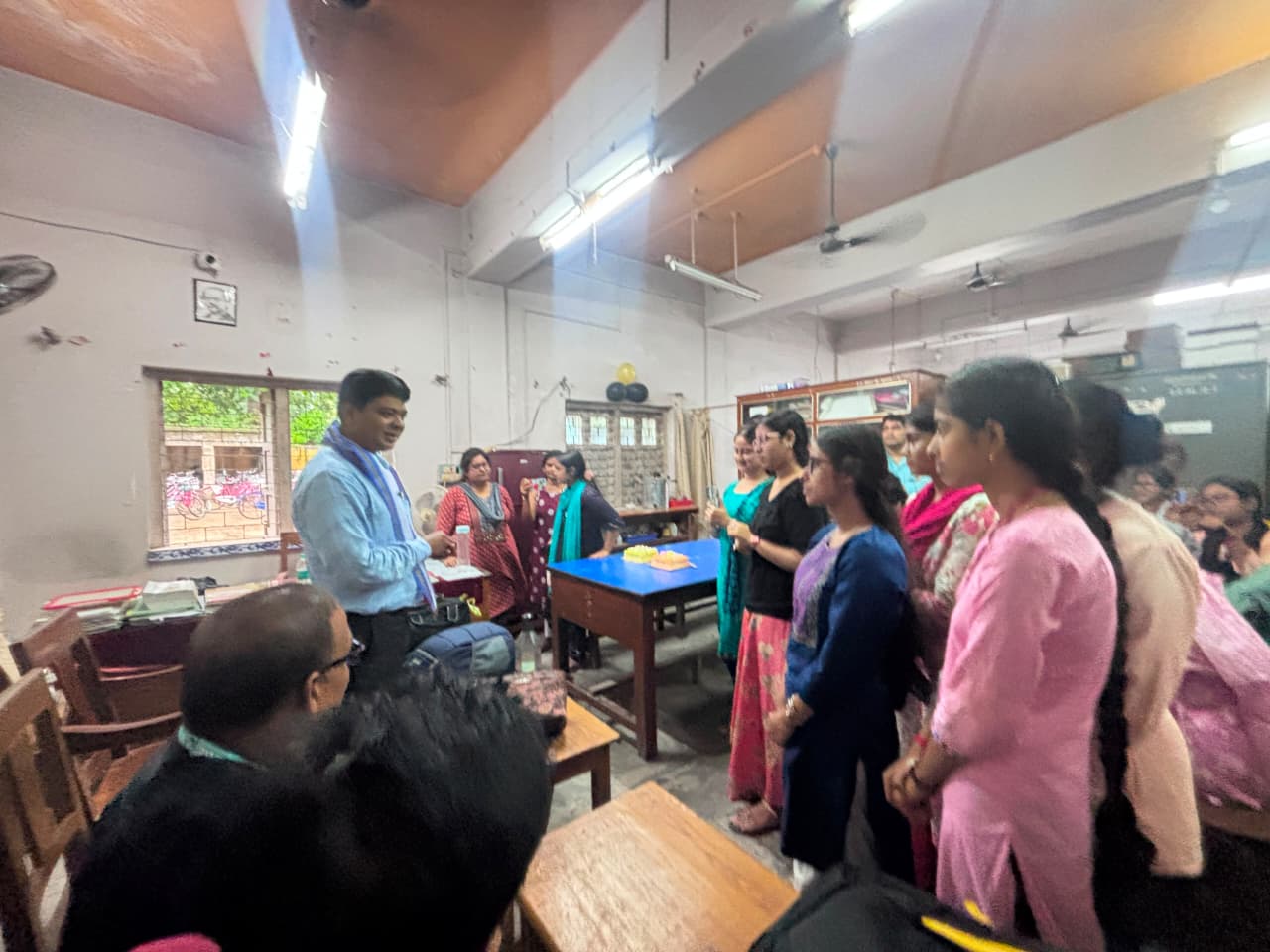
| 31.08.2024 | Freshers welcome | 1st semester honours | Various events were organised by departmental students |
| 31.08.2024 | Farewell | 6th semester Honours and Programme students | Various events were organised by departmental students |
Wall Magazine
| Date | About / Theme | Remark |
|---|
About Departmental Library
The departmental library of the botany department holds a collection of standard National and International textbooks to support students’ academic and research needs.
Number of books : 50
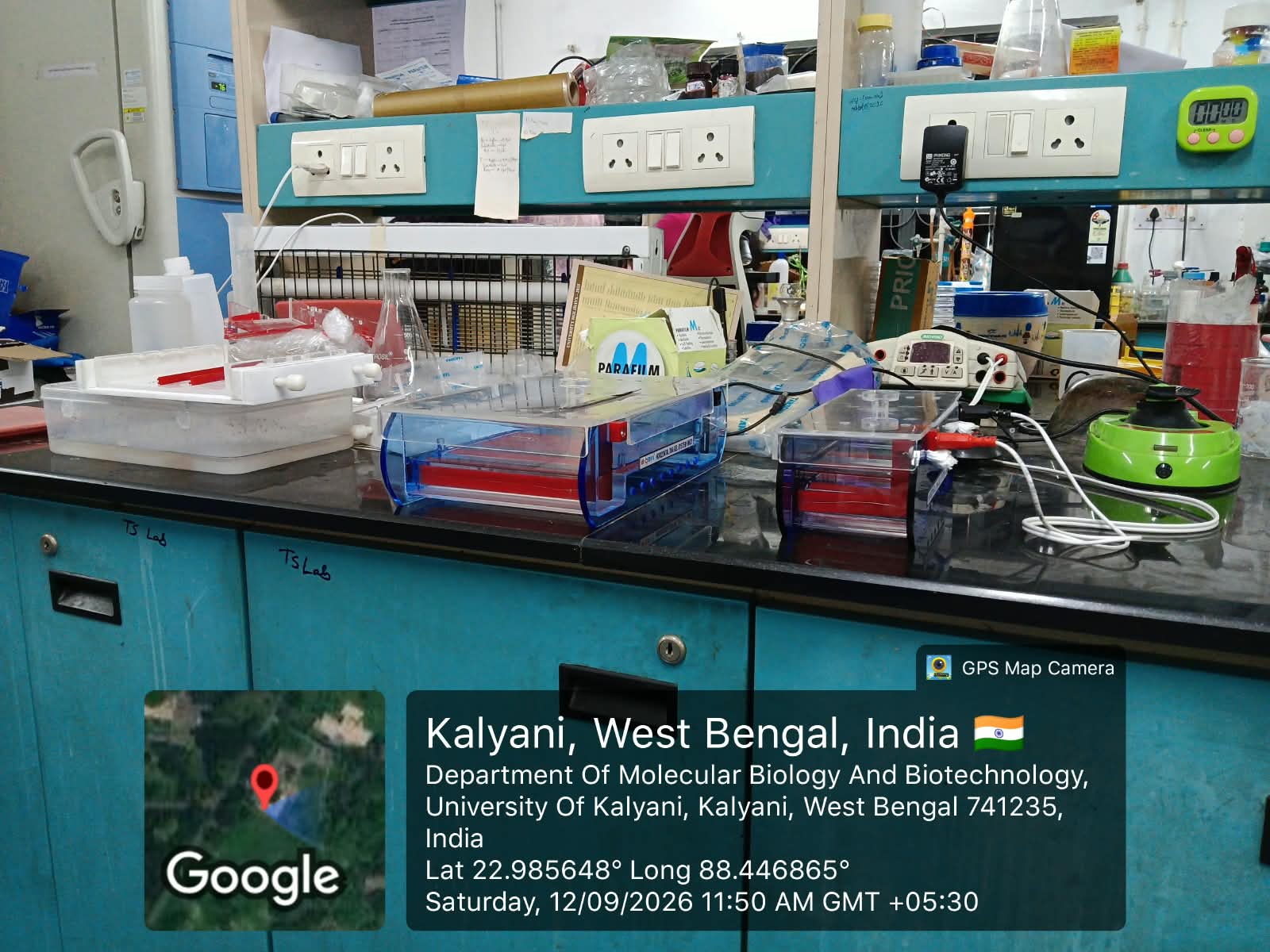
About Laboratory
1.Plant Biochemistry Laboratory –
The Plant Biochemistry Lab supports both teaching and research in the chemical and biochemical aspects of plant life. It focuses on understanding plant metabolism, enzymology, secondary metabolites, and stress responses.
Key Features:
- Studies photosynthesis, respiration, enzymes, and plant secondary metabolites
- Hands-on training in taxonomy, herbarium, protein estimation, and enzyme assays.
- Equipped centrifuges, pH meters, and colorimeters
- Supports research in stress physiology, phytochemistry, and medicinal plant biochemistry
Future Plans:
- Upgrading with advanced tools like HPLC and metabolomics support
- Expanding interdisciplinary research in plant biotechnology and sustainable agriculture
2. General Botany Laboratory – Overview
The General Laboratory serves as the foundation for practical training in plant sciences. It is designed to introduce students to key techniques and experiments in “morphology, anatomy, physiology, taxonomy, and ecology”.
Key Features:
- Well-equipped with microscopes, glassware, dissection tools, and preserved plant materials
- Used for studying plant structures, slide preparation, and field specimen identification
- Supports practical sessions in both lower and higher plant groups
- Includes models, charts, and herbarium specimens for visual learning
Academic Use:
- Undergraduate teaching
- Internal assessments and skill-based learning
- Fieldwork and plant collection integration
Future Plans:
- Digital microscope integration
- Virtual lab support for remote learning
- Upgradation of specimen collections and display models
Number of instruments / models etc.
- Laminar Air Flow
- Incubator
- Centrifuge (2 no)
- Autoclave (3 no)
- Hot air Oven
- Distillation Plant
- Electric balance (2)
- Pan balance (1)
- Photometer
- Water bath
- Heater
- Weight machine 2
- Hot Plate.
Research & Publications
View Individual profile of teachers
Study Materials
| Sl.No. | Date | Title | Teacher Name | Semester | View/Download |
|---|---|---|---|---|---|
| 1 | 14.10.2025 | Chromosome and Nuclic Acids | Smt. Sapna Tamang | Semester 6 | View/Download |
| 2 | 14.10.2025 | Cladistics | Smt. Sapna Tamang | Semester 5 | View/Download |
| 3 | 14.10.2025 | Taxonomic hierarchy | Smt. Sapna Tamang | Semester 5 | View/Download |
| 4 | 14.10.2025 | Virus handout _ SR | Smt. Sulogna Roy | Open | View/Download |
| 5 | 14.10.2025 | Transcription translation Genetic Code _ SR | Smt. Sulogna Roy | Open | View/Download |
| 6 | 14.10.2025 | Handout biomolecules | Smt. Sulogna Roy | Semester 1 | View/Download |
ICT
| Number of computers | 01 |
| Number of Laptops | 01 |
| Number of projectors | 02 |
| Internet / Wi Fi | High-speed internet for official use Support for online teaching platforms like SWAYAM, Google Classroom. |
Infrastructure
| Number of Rooms | 03 |
| Number of classrooms | 02 |
| Number of Laboratories | 02 |
Alumni / Ex Staff
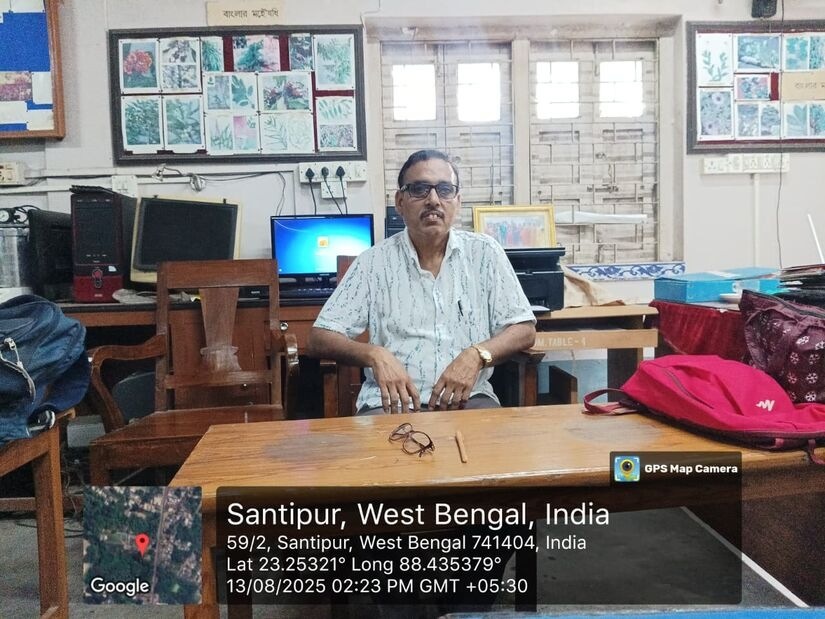
Name of the Permanent ex- Teacher and Head:
- Dr. Chayan Bhattacharyya (Retired as Associate Professor and Head)
Name of the Ex- Guest Lecturers:
- Sri Partha Saha,
- Sri Binoy Ghosh,
- Sri Sandip Halder.
- Dr. Deb Narayan Giri,(Retired Associate Professor of Ranaghat College)
- Dr.Sankar Narayan Sinha ( Currently serving at ,University of Kalyani, HOD of Microbiology Department).
- Sri.Md Salman Halder (Currently serving as an Assistant Professor, Achrram Memorial College)
- Dr. Driti Ghosh (Currently serving as an Assistant Professor.
- Sri.Sovan Roy.
- Smt.Bornali Mukherjee (Currently serving as SACT at Nabadwip Vidyasagar College)
- Smt. Munmun Biswas (Currently serving as an Assistant Teacher)
- Dr. Samir Dutta ( Associate Professor, Kancharapara College)
Excursion details
| Place visited | Period | Report |
|---|---|---|
| Dooars | 11.02.2018 - 15.02.2018 | |
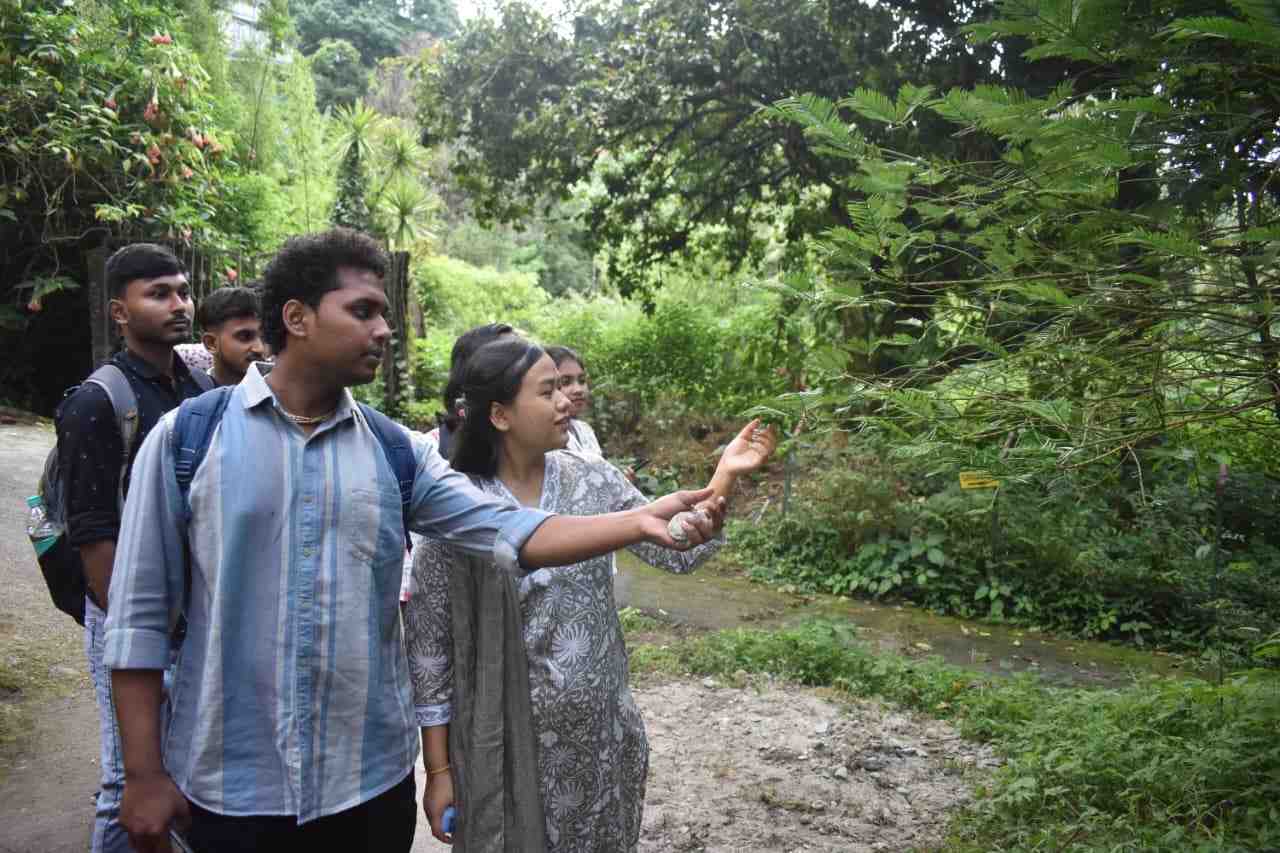
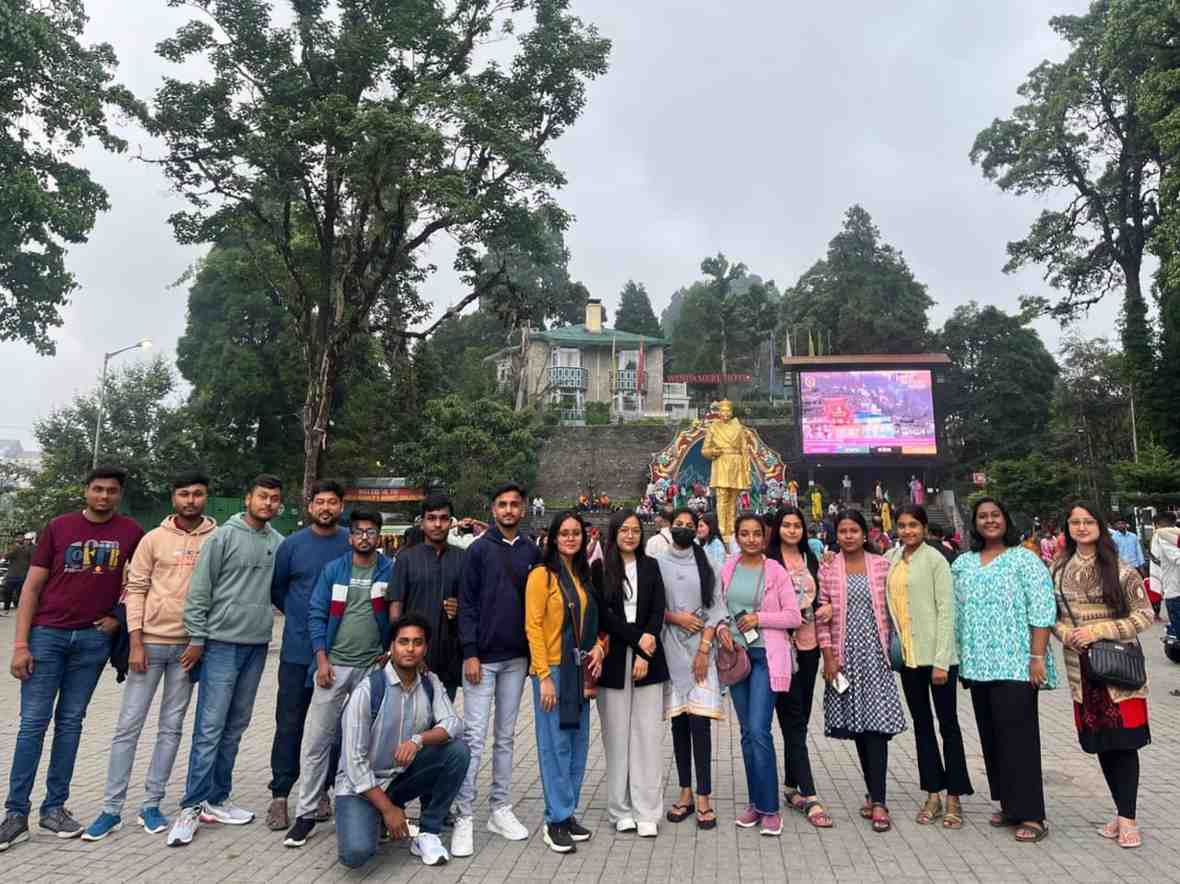
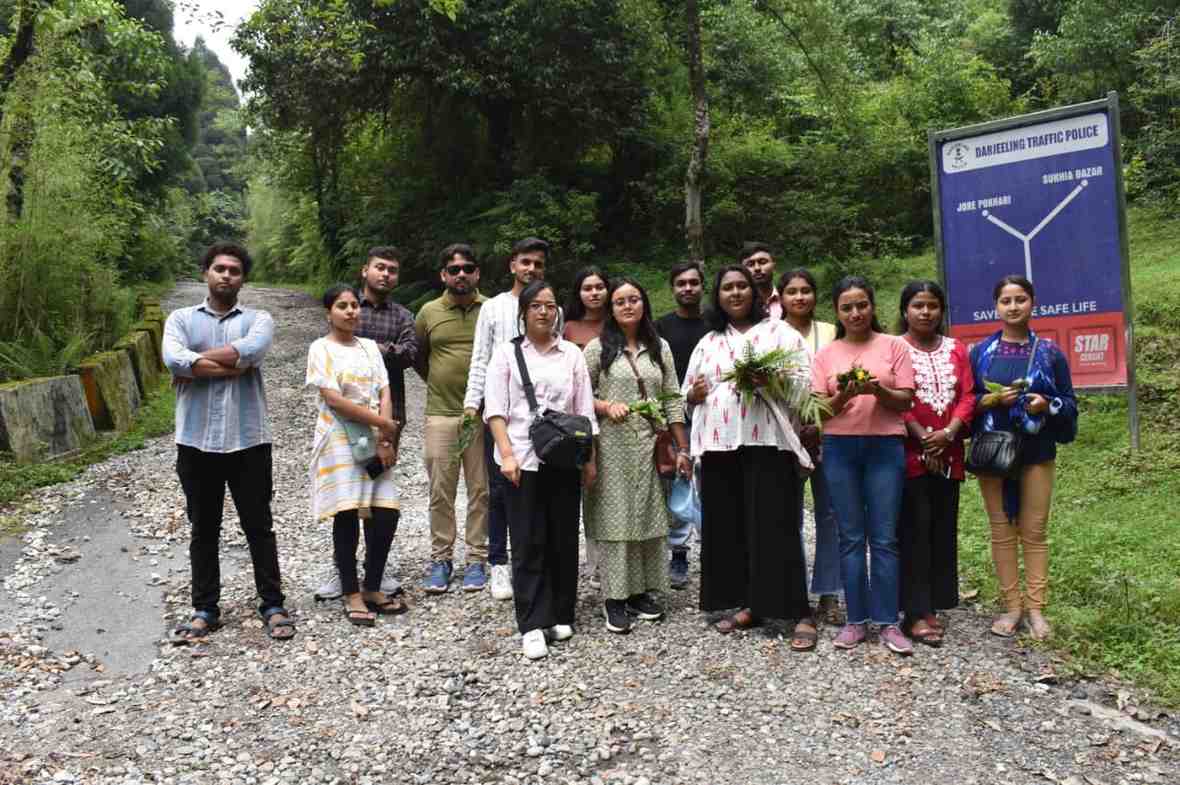
| Darjeeling | 09.06.2025 - 13.06.2025 | View/Download |
Best practices
- Hands-on Learning through regular practicals, specimen handling, and live demonstrations
- Sustainable Practices: Use of biodegradable lab materials and promotion of paperless work systems
- Eco-conscious Initiatives
- Mushroom culture practices
Uniqueness
- Field-based Learning : Regular field visits, plant collection trips, and biodiversity documentation
- Interdisciplinary Approach: Integration of botany with biotechnology, environmental science, and traditional knowledge
Important Websites
| Sl. No. | Link of website |
|---|---|
| Plant Taxonomy & Identification | |
| 1 | The Plant List – http://www.theplantlist.org Comprehensive working list of all known plant species |
| 2 | Plants of the World Online (POWO – Kew Gardens) – https://powo.science.kew.org Database of global plant species with taxonomy, distribution & images |
| 3 | eFlora of India – https://efloraofindia.com Community-led documentation of Indian flora |
| 4 | Biodiversity Heritage Library (BHL) – https://www.biodiversitylibrary.org Digital library of legacy literature on biodiversity and botany |
| Educational & Learning Platforms | |
| 5 | SWAYAM – https://swayam.gov.in Free online courses offered by Indian universities (UGC, AICTE, NPTEL) |
| 6 | e-PG Pathshala– https://epgp.inflibnet.ac.in Postgraduate e-content in various subjects including Botany |
| 7 | National Digital Library of India (NDLI) – https://ndl.iitkgp.ac.in Access to millions of academic resources and reference materials |
| Research & Databases | |
| 8 | NCBI (National Center for Biotechnology Information) – https://www.ncbi.nlm.nih.gov Key resource for plant genomics, sequences, and research papers |
| 9 | PubMed – https://pubmed.ncbi.nlm.nih.gov Extensive database of biology and life science research articles |
| 10 | Google Scholar – https://scholar.google.com For academic papers, citations, and literature reviews |
| Conservation & Biodiversity | |
| 11 | India Biodiversity Portal – https://indiabiodiversity.org Crowd sourced biodiversity records, species data, and maps |
| 12 | IUCN Red List– https://www.iucnredlist.org Conservation status of plant and animal species worldwide |
Routine
| Sl. No. | Date | Title | View/Download |
|---|---|---|---|
| 1 | 20.08.2025 | Routine 20.08.2025 | View/Download |
| 2 | 02.07.2025 | Routine 02.07.2025 | View/Download |
Syllabus NEP
| Sl. No. | Date | Title | View/Download |
|---|---|---|---|
| 1 | 19.08.2025 | Syllabus Botany NEP | View/Download |
Question Papers
Photo Gallery